
State aid for Poland’s first nuclear power plant – current status
Jesteśmy kancelarią, którą tworzą ludzie o ogromnej pasji, wiedzy i doświadczeniu. Nasz zespół stale się powiększa.

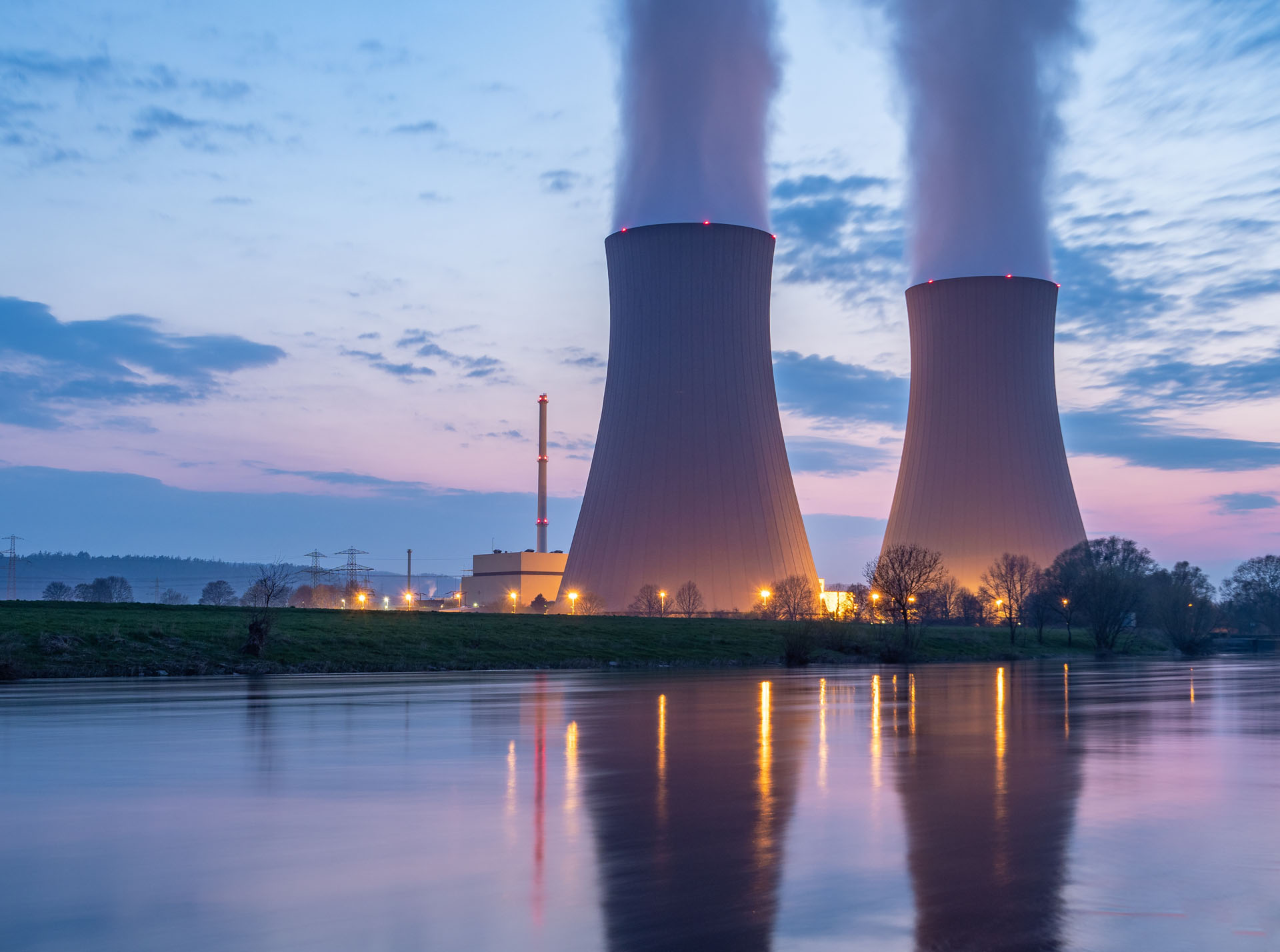
The European Commission approved an aid package to support the construction and operation of Poland’s first nuclear power plant:
- capacity: 3,750 MW (three reactors of 1,250 MW each);
- total expenditure: approximately EUR 42 billion (PLN 178 billion);
- planned commissioning: the second half of the 2030s;
- beneficiary: Polskie Elektrownie Jądrowe sp. z o.o. (“PEJ”).
Status of the European Commission decision
On 9 December 2025, the European Commission approved a State aid package for the construction and operation of Poland’s first nuclear power plant (SA.109707). The decision has not been published. It is expected to be published once all confidentiality issues have been resolved.
Only the European Commission’s press release of 9 December 2025 (IP/25/2963) is currently available. Publication of the non-confidential version of the decision is expected by the end of 2026.
Approved forms of aid
Forms of aid
- an equity injection covering approximately 30% of the project costs;
- State guarantees covering 100% of the debt incurred by PEJ to finance the project;
- direct price support in the form of a two-way contract for difference, providing the power plant with stable revenue for 40 years.
Under the contract for difference, the Polish State will pay PEJ if market prices fall below the strike price. If market prices exceed the strike price, PEJ will pay the difference to the State.
Key conditions imposed by the Commission:
- The duration of direct price support has been limited: the contract for difference will remain in force for 40 years.
- For the purposes of the contract for difference, Poland will determine the strike price using a discounted cash flow model that takes into account the equity injection and the State guarantees granted, ensuring that the total aid does not exceed the project’s funding gap.
- Throughout the power plant’s operating period, at least 70% of its annual electricity output will be sold on an open power exchange covering the day-ahead, intraday and forward markets. Poland also committed to ensuring that PEJ is legally and functionally independent from other major operators on the Polish electricity market.
Status of Polish legislation
Equity injection (recapitalisation of PEJ) – legislation adopted
Articles 53h–53n of the Act of 29 June 2011 on the preparation and implementation of investments in nuclear power facilities and accompanying investments regulate public support for PEJ in the form of a contribution to increase its share capital, financed from the State budget or with Treasury securities.
A draft amendment is being processed that provides for changes to the project expenditure limits. The legislation currently in force provides for the following State budget expenditure limits: PLN 4.6 billion in 2025, PLN 11 billion in 2026, PLN 14 billion in 2027, PLN 13 billion in 2028, PLN 11 billion in 2029 and PLN 6.6 billion in 2030. The draft proposes changing these limits to PLN 8 billion in 2026, PLN 8 billion in 2027, PLN 17 billion in 2029 and PLN 9.6 billion in 2030. The planned reallocations are intended to align expenditure with the pace at which costs are incurred under the engineering agreement with the technology supplier and general contractor consortium for Poland’s first nuclear power plant.
State Treasury guarantees – no legislation
There are currently no provisions governing State Treasury guarantees for PEJ’s debt financing. According to the information contained in the European Commission proceedings documents, the guarantees were to be established under separate, dedicated legislation, a draft of which has not yet been published. The draft legislation is expected to be published around the turn of Q4 2026 and Q1 2027.
Two-way CfD – no legislation adopted
No provisions establishing a CfD mechanism for the nuclear power plant have yet been adopted. The rules governing the two-way contract for difference will be set out in legislation, a draft of which is expected to be published around the turn of Q4 2026 and Q1 2027.